
Find a location with good light for a portrait shot. Place your subject some distance in front of a simple background and select a wide aperture together with a moderately long focal length such as 100mm on a 35mm full-frame camera (about 65mm on a cropped-frame camera). Take a viewpoint about one and a half metres from your subject, allowing you to compose a headshot comfortably within the frame. Focus on the eyes and take the shot.
Wide apertures create shallow depth of field, especially when combined with a long focal length and a close viewpoint. In human vision the eye registers out-of-focus areas as vague or indistinct – we can’t look directly at the blur. But in a photograph, areas of soft focus can form a large part of the image surface so they need to be handled with just as much care as the main subject.
Don’t forget that the camera’s viewfinder image is obtained at maximum aperture for maximum brightness and therefore at the shallowest depth of field. Use the depth of field preview button to see the actual depth of field at any particular aperture. It’s surprising to see the effect that a single f stop can have on the appearance of an image.
My shot

Conclusion
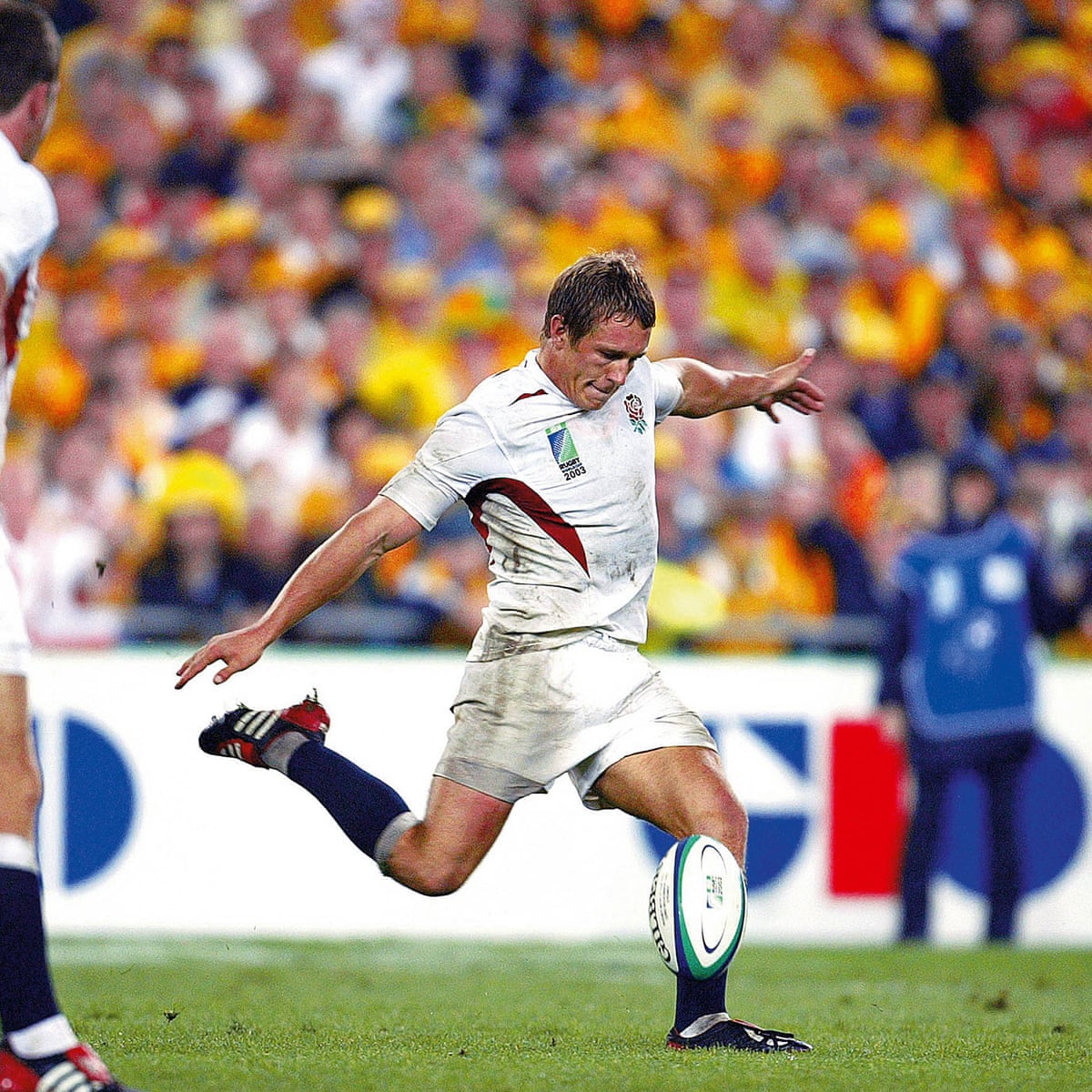
Focussing on the subject even closer, with the widest aperture the lens will allow, gives even more contrast between the subject and the background. The shallow depth of field makes the subject stand out more from the background. The lack of focus in the background makes the eye concentrate on the in-focus subject. This technique could have a wide variety of applications and is often used in media and sport to accentuate what is happening in the scene.
References
the Guardian. 2021. Eddie Jones wants World Cup hero Jonny Wilkinson to kickstart England. [online] Available at: <https://www.theguardian.com/sport/2016/jan/16/eddie-jones-jonny-wilkinson-england-rugby> [Accessed 2 June 2021].

 craig519809.home.blog